

Leisure & Health 2025: Transforming Lives Through Recreation, Connection & Wellbeing
“The need for green space and its value for wellbeing is universal.” — World Health Organization
Recreation is not frivolous. It is fundamental to human flourishing.
In 2025, the line between healthcare and self-care is blurring. Science now confirms what humans have always known: movement, creativity and connection are medicine for body and mind. Leisure is not a luxury; it is a lifeline.
“The greatest wealth is health.” — Virgil
The Science of Movement
Regular activity remains one of the most powerful health boosters. The Australian guidelines recommend 150 to 300 minutes of moderate activity per week, plus strength and balance work. Even 30 minutes daily improves heart health, mobility, bone strength and mental clarity.
For older adults, light exercise such as walking, yoga or gardening helps prevent falls, maintain independence and lift mood. As aged care research notes:
“Gentle exercise is really important for maintaining good physical and mental health. It gives purpose, friendship and community.”
Recreation as Therapy
Recreational therapy uses music, art, dance, gardening and journaling to heal beyond words. These activities trigger endorphins, build confidence and promote cognitive function.
“Healing does not always happen in silence. It can happen in movement, music, laughter and shared experiences.”
Nature-based activities such as forest walks, outdoor yoga or community gardening lower stress hormones and improve sleep, proving that time outdoors is true therapy.
Social Connection: The Missing Vitamin
Loneliness has become a public health concern, with effects comparable to smoking. Group recreation from choirs to sports, walking clubs or art groups offers a powerful antidote.
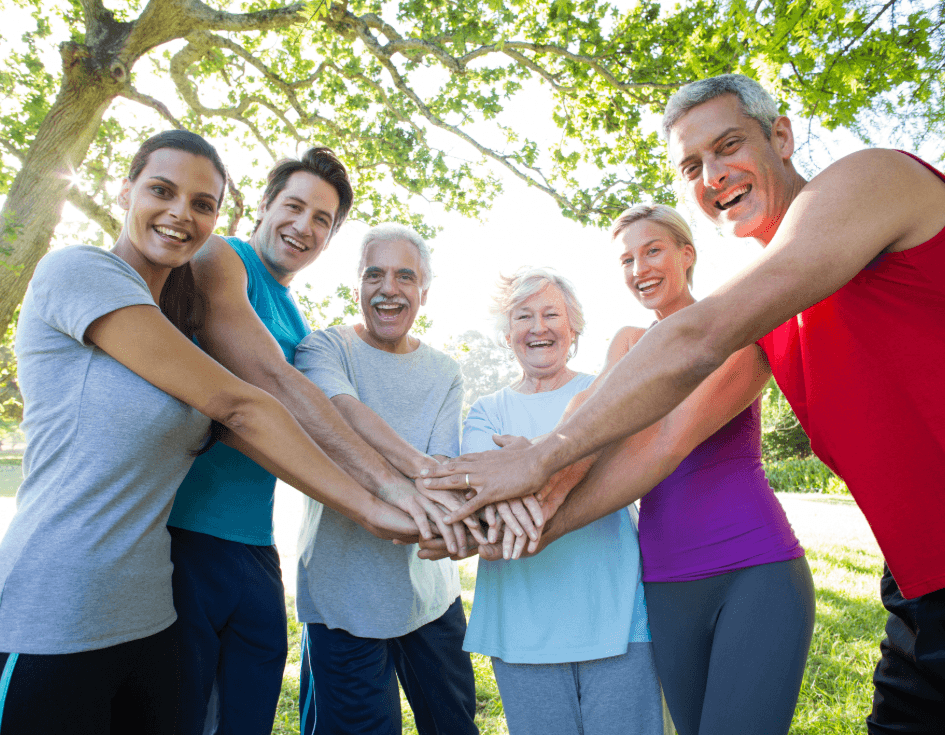
Shared experiences foster belonging, empathy and purpose. People who exercise or participate in activities together stay more consistent and feel more connected.
Inclusive and Accessible Recreation
Recreation professionals tailor programs for all from adaptive sports and wheelchair dance to reminiscence therapy for dementia care and play-based interventions for children with disabilities.
Local councils and community centres run diverse initiatives such as:
- Group fitness and falls prevention programs
- Men’s sheds and multicultural activity groups
- Community gardening and carer support programs
Technology also bridges gaps through virtual fitness sessions and online wellness communities, expanding access without replacing human connection.
Nature, Work and Everyday Wellbeing
Green spaces are essential health assets. Parks and community gardens encourage movement, reduce stress and bring people together. Even a short daily walk outdoors boosts mood and creativity.
Workplaces are catching on too—integrating wellness programs, active breaks, mindfulness sessions and social activities that improve both morale and productivity.
Overcoming Barriers
Financial, physical or social barriers can prevent participation but solutions exist:
- Universal design and accessible spaces
- Low-cost or free community programs
- Inclusive, beginner-friendly cultures
- Social prescribing where doctors “prescribe” recreation instead of just medication
The Path Forward
Leisure and health are inseparable. Whether it is dancing, painting, walking or volunteering, recreation nourishes the body, mind and spirit.
Tags :
- Leisure and Health
- Recreation Therapy
- Social Connection
- Physical Activity
- Inclusive Recreation